|
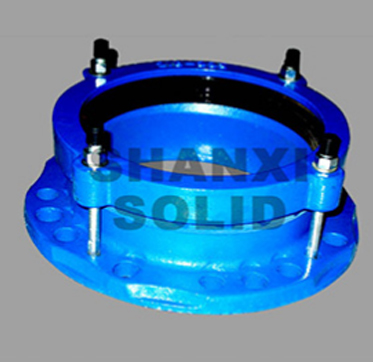
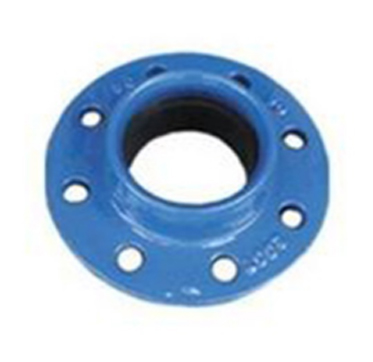
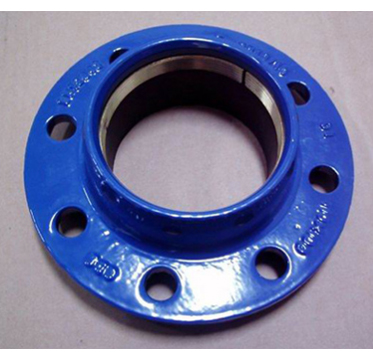
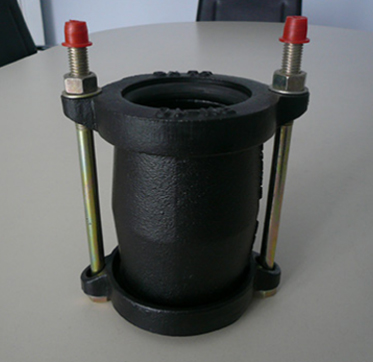
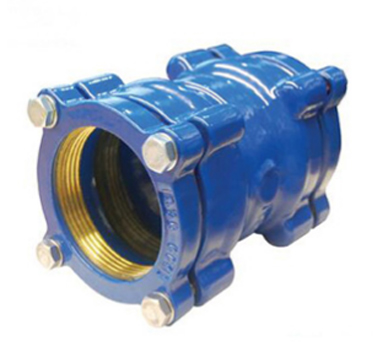
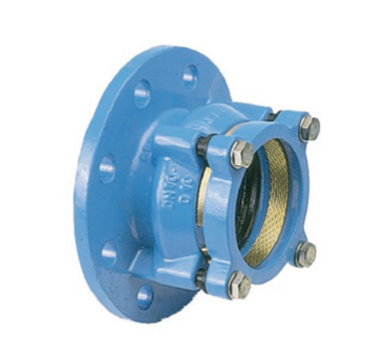
A flexible flange adaptor is a crucial component of a pipeline system that adapts to displacements and absorbs vibrations. Due to factors such as medium pressure, environmental corrosion, and installation stress, it can be susceptible to issues like leakage, deformation, and loosening. If these problems are not addressed promptly, they can disrupt the normal operation of the pipeline.
1. Most Common: Sealing Leakage
The first type of leakage is sealing leakage, which is the most common fault. This type can be divided into two categories: interface leakage and body leakage. The causes are straightforward: either the sealing surface of the flange is not tightly attached, the bolts are tightened unevenly, the gasket is aged or damaged, or the rubber components of the flexible flange adaptor body are cracked or swollen due to high temperatures and corrosion. Additionally, pipeline displacement exceeding the compensation range of the joint can also lead to leakage.
Fortunately, addressing these issues is relatively simple. First, close the valve to relieve pressure. If the leakage occurs at the interface, re-tighten the bolts evenly in a diagonal pattern and replace any damaged gaskets. In the case of body leakage from the rubber parts, replace them with a flexible flange adaptor of the same specification. Be sure to check the pipeline for any displacement; if the offset is too significant, correct the pipeline position before resetting the joint.
2. Easy to Ignore: Joint Body Deformation and Bulging
The second type of issue is joint body deformation and bulging. This is primarily caused by the pipeline pressure exceeding the rated pressure of the flexible flange adaptor, long-term overload operation, forced stretching or compression of the joint during installation, or sudden temperature changes in the medium.
To address this issue, immediately relieve the pressure and shut down the system. Replace the deformed joint afterward. Before replacing it, check the actual pressure of the pipeline and choose a model with a higher pressure rating. If the deformation is due to installation stress, remove the joint and readjust the pipeline to ensure that the joint is installed correctly without any external force or stretching.
3. Frequently Occurring: Bolt Loosening and Flange Misalignment
The third issue to consider is bolt loosening and flange misalignment. This problem primarily arises from excessive pipeline vibration when there is no anti-loosening treatment applied to the bolts, or from misaligned flanges during initial installation, which can lead to uneven stress due to displacement during operation. Additionally, rust can weaken the bolts.
To address these issues, first relieve any pressure in the system. Then, correct the flange alignment and replace any rusted bolts with stainless steel anti-loosening bolts. Tighten the bolts in a diagonal pattern in batches and make sure to mark them for proper torque. If the flange is deformed, either grind the sealing surface or replace the flange entirely.
For pipelines that experience significant daily vibration, it is advisable to use anti-loosening bolts and perform regular checks. For outdoor pipelines, be sure to apply anti-corrosion treatment to the bolts to enhance their longevity.
4. Easy to Age: Rubber Parts Hardening and Loss of Flexibility
The fourth issue involves the aging and hardening of rubber components, which results in a loss of flexibility. This problem is primarily caused by prolonged exposure to corrosive substances, high temperatures, ultraviolet rays, or insufficient protection during long periods of inactivity. Additionally, it may arise from a mismatch between the rubber material and the working conditions.
To address this issue, it is recommended to replace the affected parts with a compatible flexible flange adaptor. Be sure to select a rubber material that is suitable for the specific medium and implement anti-ultraviolet and anti-corrosion protection for outdoor connections.
5. General Notes
Finally, here are some general notes: before handling any fault, you must close the valve to relieve pressure and empty the medium, and it is strictly prohibited to operate under pressure; the replaced accessories must be consistent with the specification and pressure level of the original joint; after handling, conduct air tightness and water pressure tests, and resume use only if there is no leakage; record the faults and optimize daily maintenance to reduce recurrence.
|