|
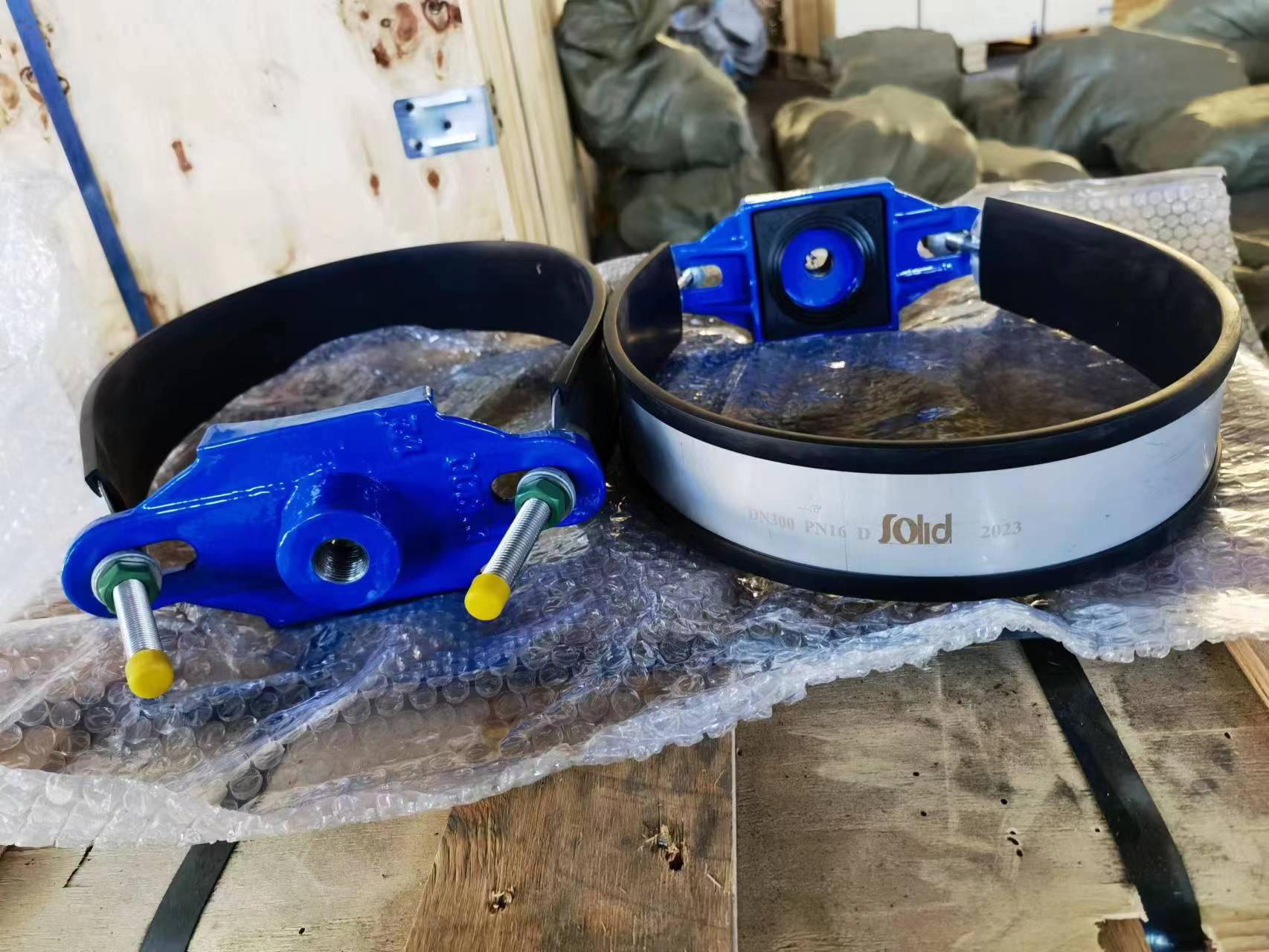
Trenching, welding, water shutdowns, permit approvals, waiting for coatings to cure, and restoring service—adding a branch connection to an existing pipeline used to mean at least a day or two of disruption, often affecting entire neighborhoods. There is now a more efficient approach: a stainless steel strap, a saddle fitting, and a basic set of hand tools—the pipeline remains in full operation while a new branch is completed. That is the tapping saddle with SS belt.
What It Is and How It Works
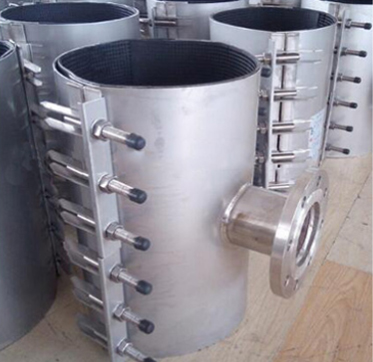
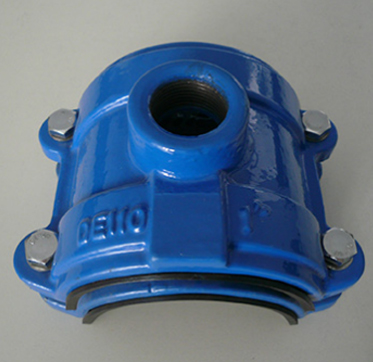
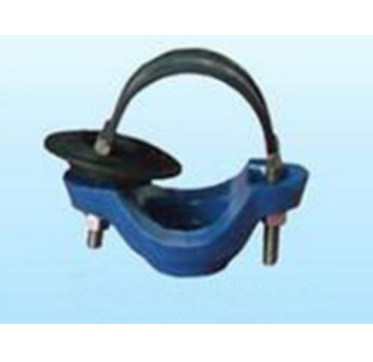
In essence, it is a clamp-on fitting that wraps around the outside of a main pipeline, serving as a sealed base for a new outlet. The stainless steel strap secures the saddle firmly against the pipe surface, creating a contained pressure chamber around the intended tapping point. Once the saddle is tightened in place, a tapping machine is attached to the outlet, and the drill penetrates the pipe wall while the system continues normal operation. The cutter is retracted, the isolation valve is closed, and a new branch connection is ready for service—all without welding, hot work, service interruption, or media drainage.
Primary Applications and End Users
Municipal water utilities are among the most frequent users—connecting new residential developments or performing network modifications without imposing widespread shutdowns on existing customers. Gas distribution companies also rely on this method, as welding poses safety hazards in gas environments and service interruptions are commercially unacceptable. Industrial facilities employ tapping saddles for installing instrumentation, flow meters, pressure sensors, and sampling points on process lines without halting production. Fire protection systems benefit as well—adding new sprinkler branches to live water mains can be accomplished without deactivating fire suppression capabilities.
Installation Procedure and Efficiency
The installation process is straightforward and requires minimal site preparation. The pipe surface is cleaned of loose scale and debris—no abrasive blasting, no primer application. The saddle is positioned over the intended branch location, the strap is wrapped around the pipe, and fasteners are tightened to the manufacturer's specified torque. A single technician, equipped with standard wrenches and the tapping machine, typically completes the installation within 15 to 20 minutes. The tapping operation then proceeds: the drilling head penetrates the pipe wall, the cutter is withdrawn, and the isolation valve is closed. No heavy lifting equipment, welding apparatus, or external power supply is required—the entire setup can be transported and deployed from a single tool kit.
Pressure Rating and Sealing Integrity
When properly installed, the stainless steel strap tapping saddle is rated for working pressures up to 16 bar (1.6 MPa), covering the full range of municipal water and medium-pressure gas networks. The sealing element, typically NBR or EPDM rubber, is selected for compatibility with the specific service medium—water, oil, or gas. The clamping force generated by the strap compresses the gasket uniformly against the pipe surface, producing a circumferential seal that withstands pressure both during and after the tapping procedure. For gas applications, factory leak testing is performed before delivery to verify compliance with stringent leakage standards.
Application Boundaries
No single solution fits every scenario. The tapping saddle is not suitable for high-temperature, high-pressure steam lines. For large-diameter high-pressure trunk mains, welded connections remain the preferred method. In deep-buried applications demanding decades of maintenance-free service, welded joints may offer superior long-term longevity. However, for municipal water and gas distribution networks, industrial cooling water circuits, and fire protection systems—the vast majority of routine service conditions—the tapping saddle represents the most practical choice. It does not replace welding across the board, but excels where welding is costly, inconvenient, or unsafe.
In Summary
The tapping saddle with SS belt is not a cutting-edge innovation, but it effectively addresses a persistent challenge in pipeline maintenance and modification: reducing excavation, eliminating service interruptions, and simplifying operations. For utility and facility managers, this translates into fewer customer complaints, shorter disruption windows, and faster response capabilities. A relatively simple component that transforms a complex task into a straightforward one—delivering measurable value where it matters most.
|