|
There is a common misconception in pipeline engineering: tighter is better, and more rigid is safer.
In many cases, the opposite is true. Rigid connections concentrate all stress at welds or flanges — a slight displacement can cause leakage. Thermal expansion has no room for relief, leaving the system vulnerable to internal stress build-up. Vibration and noise travel unimpeded along the pipeline, eventually releasing at the weakest joint.
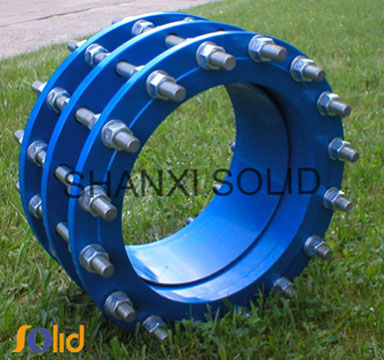
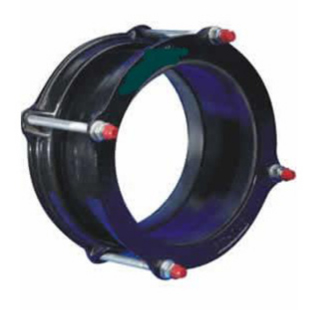
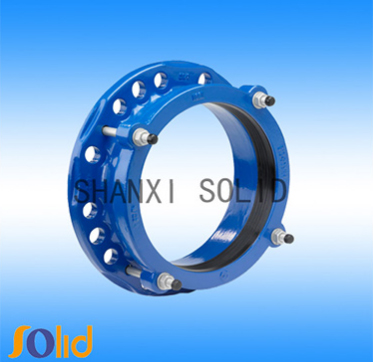
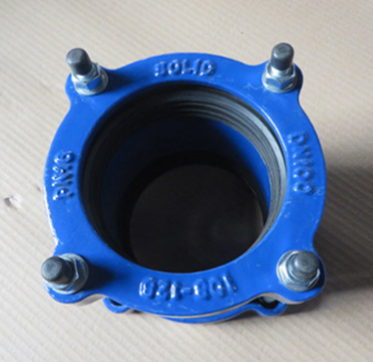
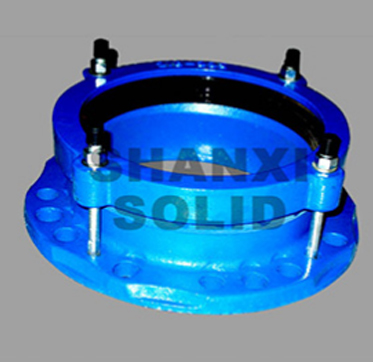
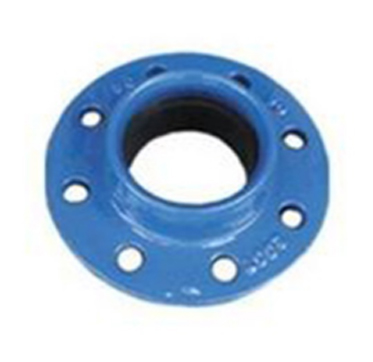
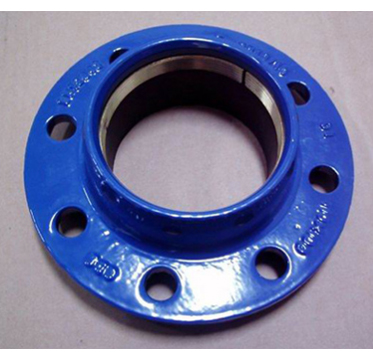
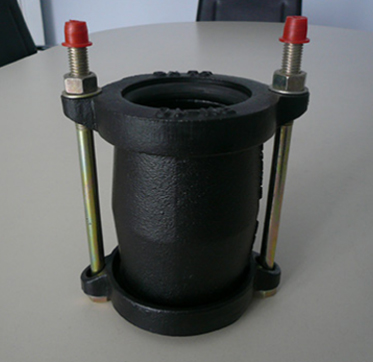
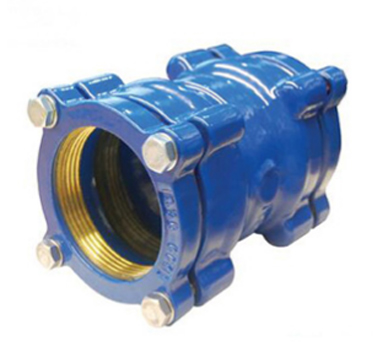
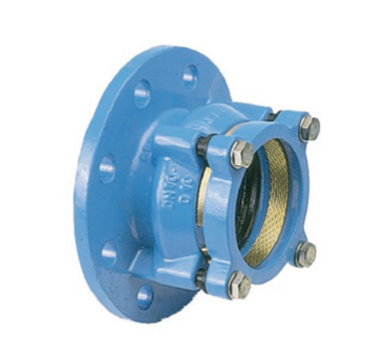
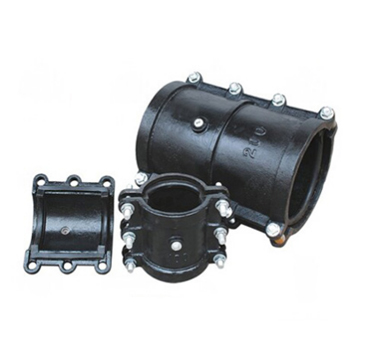
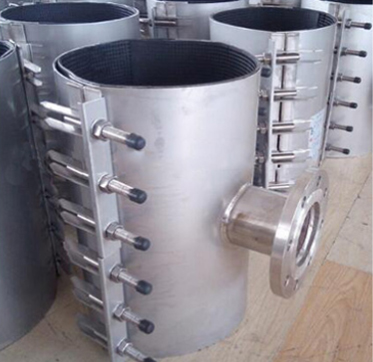
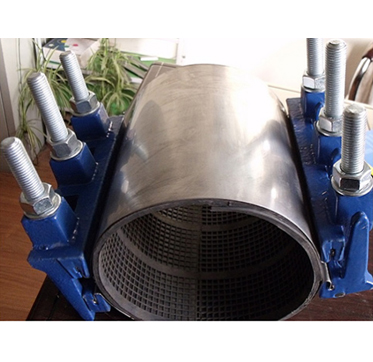
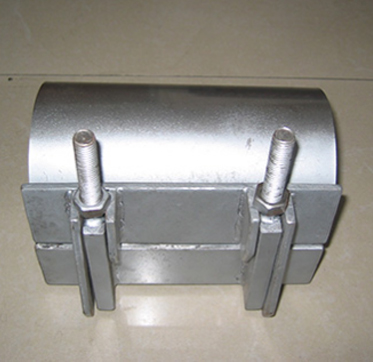
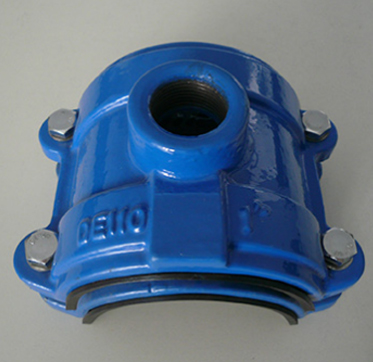
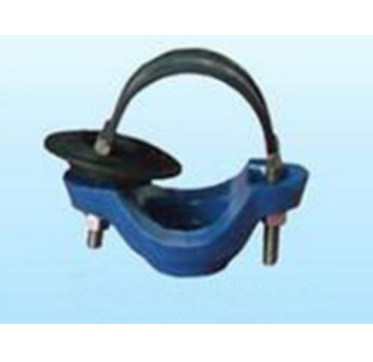
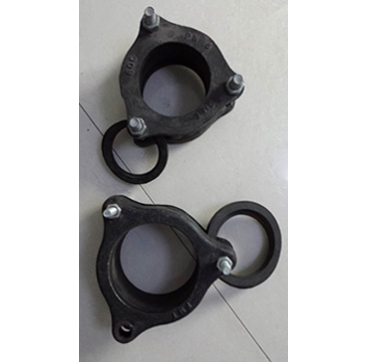
SOLID flexible couplings are designed to take the rigidity out of pipe connections.
It solves what rigid connections cannot
Between any two pipes, temperature changes cause expansion and contraction. Foundation settlement creates displacement. Equipment operation generates vibration. On engineering drawings, these are millimeter-level deviations, but on site, they can become significant headaches.
The core value of a flexible coupling lies in creating a "buffer zone" between rigid pipes. It does not resist displacement — it absorbs it. When pipes expand, it contracts slightly. When pipes contract, it extends slightly. When equipment vibrates, it isolates most of the vibration energy from transmitting further.
Three functions, one solution
A single SOLID flexible coupling addresses three issues simultaneously:
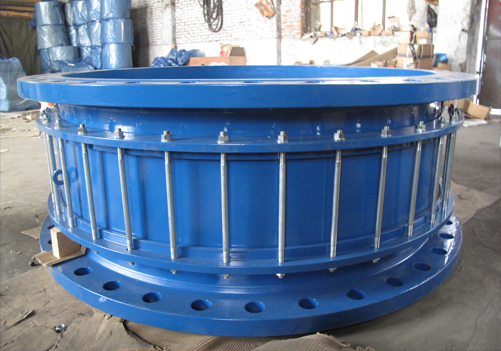
Displacement compensation. It absorbs movement in axial, lateral, and angular directions. No need for separate expansion joints or compensators — one coupling handles multi-directional displacement.
Vibration isolation and noise reduction. The rubber or metal bellows element inside effectively cuts off vibration transmission along the pipeline. At pump outlets, compressor connections, and high-rise risers — install a flexible coupling, and the improvement is immediate.
Installation tolerance. On-site construction rarely achieves perfect alignment. A few millimeters of centerline deviation, non-parallel flange faces, misaligned bolt holes — the flexible coupling accommodates these discrepancies within a certain range, allowing installation to proceed rather than getting stuck halfway.
Materials and structure: no shortcuts
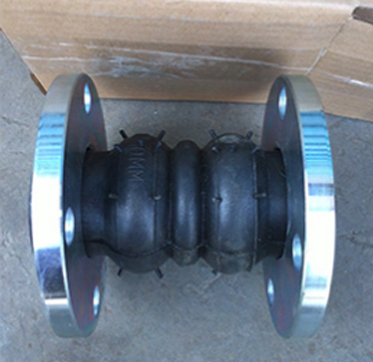
SOLID flexible couplings are available in two types: rubber flexible couplings and metal bellows flexible couplings.
Rubber types suit conventional water, wastewater, and mildly corrosive media, with a temperature range -20°C to +80°C. The body uses natural rubber or EPDM, with flanges in carbon steel or stainless steel, covering DN25 to DN1200.
Metal bellows types suit high-temperature, high-pressure, or corrosive conditions, with temperatures up to 400°C. The bellows use multi-layer stainless steel construction, offering fatigue resistance and corrosion resistance — ideal for steam lines, chemical piping, and thermal systems.
Both types are manufactured and tested to industry standards, ensuring reliable performance from day one.
Flexible does not mean weak
A common misconception: flexibility means less strength. In fact, SOLID flexible couplings meet the pressure ratings of equivalent rigid piping — some models even exceed the pipe's own rating. Flexibility, in this context, refers to maintaining adequate strength while allowing for movement within the pipeline system.
Its role in engineering is a bit like tact in human relationships — neither stiff nor loose, yielding when needed, and standing firm when it matters.
SOLID flexible couplings — not fighting the pipe, just relieving its stress.
Welcome to contact us for more information.
|